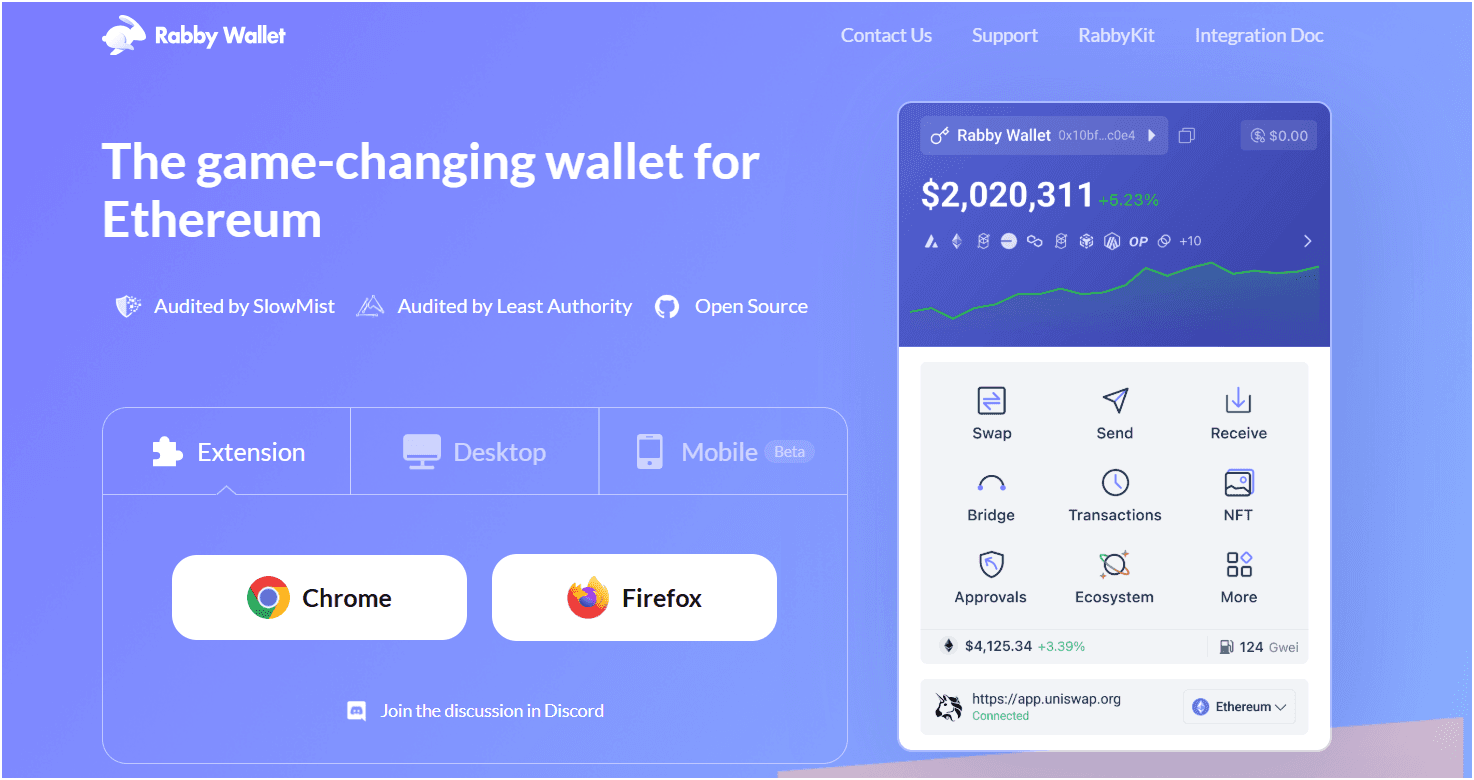
Rabby Wallet: A Comprehensive Guide to the Web3 Multi‑Chain Wallet
In the rapidly evolving world of cryptocurrency and decentralized finance (DeFi), having a wallet that is both secure and versatile across multiple blockchains is increasingly important. Rabby Wallet is positioned as a next-generation Web3 wallet that aims to meet these needs. For users interacting with different networks, decentralized applications (dApps), tokens, and cross-chain protocols, Rabby offers features designed to simplify and safeguard their experience.
What Is Rabby Wallet?
Rabby Wallet is a non-custodial Web3 wallet that primarily functions as a browser extension. Being non-custodial means that users retain full control over their private keys and seed phrases. The wallet does not store funds on behalf of users; instead, it provides a secure interface to sign transactions and manage assets directly on supported blockchains.
Unlike older wallets that focus on a single blockchain network, Rabby supports a broad array of EVM-compatible networks. It streamlines multi-chain operations, allowing users to handle assets, swaps, dApp interactions, and cross-chain transfers from a unified interface. The wallet has gained popularity among users seeking convenience, security, and transparency in the DeFi ecosystem.
Core Features of Rabby Wallet
Rabby Wallet distinguishes itself with a combination of multi-chain support, security-focused tools, and user-friendly design. Its key features include:
Multi-Chain Support and Auto Network Switching
Rabby Wallet supports many EVM-compatible networks, including Ethereum, Polygon, BNB Smart Chain, Arbitrum, and others. When visiting a dApp, the wallet automatically detects the required network and switches to it, eliminating the need for manual network toggles. This feature enhances convenience and reduces user error when interacting with multiple blockchains.
Transaction Simulation and Risk Warnings
Before approving a transaction, Rabby Wallet simulates its outcome. Users can see a preview of token transfers, balance changes, and alerts if a contract appears risky, such as when it requests unlimited token approvals or interacts with unknown addresses. This feature adds a layer of security by helping users avoid malicious contracts and unintended transactions.
Unified Portfolio and Token Management
Rabby Wallet provides a consolidated view of holdings across multiple blockchains. This includes token balances, transaction history, and portfolio value, enabling users to track assets without relying on multiple wallets or external tracking tools. The unified interface simplifies asset management, particularly for those active on multiple networks.
Non-Custodial, Open-Source, and Privacy-Focused
Being non-custodial ensures that users maintain full control over their private keys and seed phrases. The wallet is open-source, which promotes transparency and allows community auditing. It is also designed with privacy in mind, avoiding unnecessary data collection and focusing on secure user interactions.
Hardware Wallet Integration
For users seeking additional security, Rabby Wallet supports integration with hardware wallets. This feature combines the security of offline private key storage with the convenience of a Web3 wallet interface, making it suitable for managing larger amounts of cryptocurrency safely.
Why Users Choose Rabby Wallet
Rabby Wallet caters to a variety of users, from beginners to advanced DeFi participants. Some of the primary reasons people choose Rabby include:
Cross-Chain DeFi Participation: Users active on multiple networks can manage all assets from a single wallet with automatic network switching.
Safe dApp Interaction: Transaction previews and risk warnings reduce the risk of interacting with malicious contracts.
Simplified Asset Management: Users no longer need to juggle multiple wallets across networks.
Hardware Wallet Compatibility: Users can secure significant holdings with hardware wallets while maintaining the convenience of a browser interface.
User-Friendly and Transparent: Open-source code and intuitive design make Rabby suitable for both new and experienced users.
Rabby Wallet combines convenience, security, and multi-chain functionality, making it a strong choice for those navigating decentralized finance.
Getting Started with Rabby Wallet
Starting with Rabby Wallet generally involves the following steps:
Install the browser extension on a compatible browser.
Create a new wallet or import an existing one using a seed phrase or private key.
Optionally connect a hardware wallet for enhanced security.
Access the dashboard to view assets, balances, and portfolio across networks.
When interacting with a dApp, the wallet will automatically switch to the required network.
Review the transaction simulation and risk warnings before confirming any transaction.
Double-check recipient addresses, contract details, and token amounts to prevent mistakes.
This workflow emphasizes security and user awareness, which is essential for maintaining control over digital assets.
Potential Limitations of Rabby Wallet
While Rabby Wallet offers numerous advantages, users should be aware of certain limitations:
EVM-Focused: Rabby primarily supports Ethereum and other EVM-compatible networks. Non-EVM chains are not supported, limiting its reach for some users.
Browser Extension Only: Currently, Rabby is mainly a browser-based wallet. Users seeking mobile app convenience may need to wait for updates or use alternative wallets.
User Responsibility for Security: As a non-custodial wallet, users are responsible for managing seed phrases, securing devices, and avoiding phishing attacks.
Risk of Fake Extensions: Malicious clones may appear on third-party extension stores. Users must verify they download the official wallet.
Complexity for Large Holdings: For very large or institutional-level holdings, additional security measures such as cold storage or multi-signature wallets may be preferred.
Being aware of these limitations helps users take full advantage of the wallet while minimizing risks.
Security Best Practices
Security is crucial in cryptocurrency management. Users should adopt the following best practices when using Rabby Wallet:
Use hardware wallets for significant holdings.
Secure seed phrases offline and avoid storing them digitally.
Download the wallet only from official sources.
Ensure devices are free from malware and that browsers are up to date.
Review transaction simulations carefully before approval.
Minimize token approvals and revoke unnecessary permissions.
Diversify crypto storage by splitting assets across wallets and cold storage.
Following these practices maximizes the wallet’s security features and reduces exposure to common risks in the Web3 ecosystem.
Who Should Use Rabby Wallet?
Rabby Wallet is ideal for:
Active DeFi Users: Those who frequently interact with decentralized exchanges, yield farming, staking, or cross-chain protocols.
Multi-Chain Asset Holders: Users with assets on multiple EVM-compatible networks benefit from unified management and automatic network switching.
Security-Conscious Users: Open-source design, non-custodial structure, transaction simulations, and hardware wallet integration appeal to users prioritizing security.
Users Upgrading from Basic Wallets: Those using older wallets that lack advanced features or convenience may find Rabby a useful replacement.
Users Wanting a Unified Interface: Rabby consolidates assets, transactions, and dApp interactions into one dashboard, reducing complexity.
For users with minimal activity or only a single-chain asset, simpler wallets may suffice. However, for active engagement with the DeFi ecosystem, Rabby offers significant advantages.
Conclusion
Rabby Wallet is a modern solution for the challenges of Web3, including multi-chain fragmentation, security risks, and complex dApp interactions. By offering multi-chain support, transaction simulation with risk warnings, hardware wallet compatibility, and a user-friendly interface, Rabby provides both convenience and security for users.
While no wallet is without risks, Rabby’s design emphasizes user control, transparency, and safety. Proper management of seed phrases, vigilance against phishing, and adoption of good security practices remain essential. Users should also recognize the wallet’s focus on EVM-compatible chains and browser-based usage when evaluating whether it fits their needs.
For anyone exploring DeFi, managing assets across multiple blockchains, or seeking a modern upgrade from basic wallets, Rabby Wallet offers a compelling combination of usability, security, and multi-chain functionality. Used responsibly, it can serve as a reliable gateway into the decentralized finance world.